Category: Refinance
Learn about mortgage refinancing options, costs, eligibility requirements, cash-out refinancing, rate reductions, and strategies for homeowners considering refinancing.

Can You Refinance With a 760 Credit Score? What Lenders Look For
Yes, refinancing with a 760 credit score is often possible, and that score is generally considered strong by mortgage standards. A 760 score may help a borrower qualify for more favorable refinance pricing, but it does not guarantee approval or the lowest available rate. Lenders still review income, home equity, debt-to-income ratio, loan type, property…
Read More
Refinance vs HELOC: Key Differences, Pros and Cons, and How to Choose
Refinance vs HELOC is a comparison between two different ways homeowners may use home equity. A refinance replaces an existing mortgage with a new loan, while a HELOC, or home equity line of credit, is a separate credit line secured by the home. Both can help a homeowner lower costs, change loan terms, or access…
Read More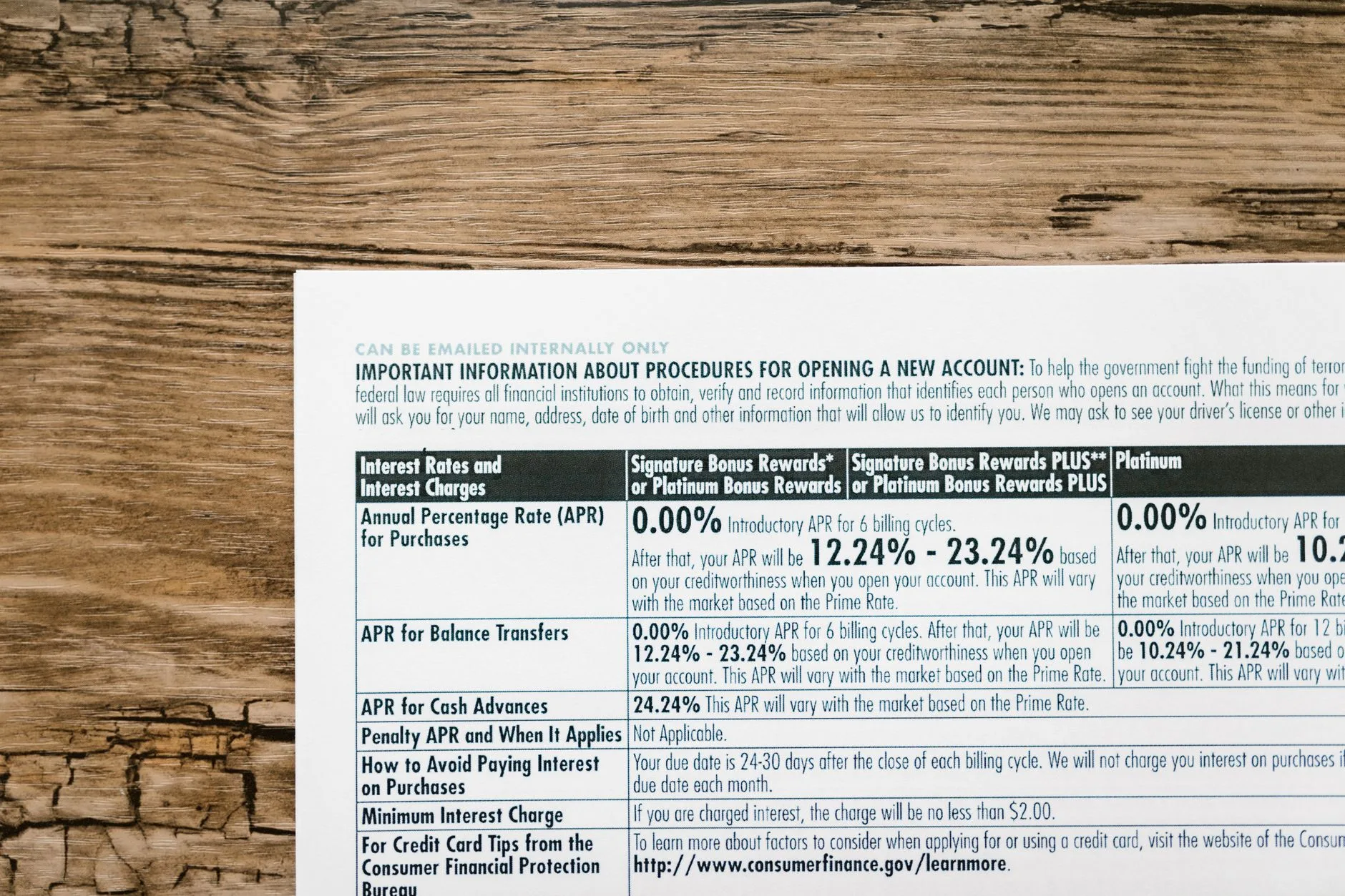
Hidden Costs of Refinancing: Fees, Interest, and Loan Term Tradeoffs
Hidden costs of refinancing are the expenses and tradeoffs that do not always stand out when borrowers focus only on a lower interest rate or lower monthly payment. A refinance can reduce a payment, change the loan term, remove mortgage insurance in some cases, or provide access to home equity. It can also add upfront…
Read More
Refinance Rates in Georgia: How Rates, APR, and Loan Costs Compare
Refinance rates in Georgia are the interest rates lenders offer when replacing an existing mortgage with a new one on a Georgia property. Those rates matter because even a small change can affect your monthly payment, total interest cost, closing costs, and how long it takes for the refinance to pay for itself. Georgia homeowners…
Read More
North Carolina Refinance Rates: How Rates Work and What Affects Your Mortgage Costs
Refinance rates in North Carolina are the interest rates lenders offer when a homeowner replaces an existing mortgage with a new one. Those rates matter because they affect the monthly payment, the total interest paid over time, and whether a refinance actually creates a meaningful benefit after closing costs. A lower rate can reduce payment…
Read More
Refinancing a Mortgage in New York: Costs, Process, and When It Makes Sense
Refinancing a mortgage in New York means replacing your current home loan with a new one. The new loan may lower your interest rate, reduce your monthly payment, change your repayment term, switch loan types, or allow you to borrow against home equity through a cash-out refinance. Because New York homes often involve higher property…
Read More
Refinance Rates With a 620 Credit Score: What Affects Your Rate and Loan Options
Refinance rates with a 620 credit score are often available, but they are usually higher than the rates offered to borrowers with stronger credit. A 620 score is commonly viewed as the lower end of conventional refinance eligibility, and it may also qualify for some government-backed refinance options depending on the loan type, home equity,…
Read More
Can I Refinance With 30% Equity? What Lenders Consider
Yes, refinancing with 30% equity is often possible, and in many cases it puts a borrower in a stronger position than someone with very little equity. Having 30% equity means you own a substantial portion of the home and your loan-to-value ratio, usually called LTV, is likely around 70%. That can matter because LTV is…
Read More
Refinancing a Mortgage in Florida: Costs, Requirements, and When It Makes Sense
Refinancing a mortgage in Florida means replacing your current home loan with a new one. The new loan may lower your interest rate, change your monthly payment, shorten or extend your repayment term, or allow you to convert part of your home equity into cash. For Florida homeowners, refinancing can also involve state-specific considerations such…
Read More
Refinancing Requirements With 15% Equity: LTV, Credit, Income, and Loan Options
Refinancing with 15% equity is often possible, but the exact requirements depend on the type of refinance, the loan program, your credit profile, income stability, debt-to-income ratio, and the lender’s loan-to-value limits. In plain terms, 15% equity means you own 15% of the home’s value and still owe about 85% on the mortgage, which can…
Read More