Category: Mortgage Programs
Compare mortgage loan programs including FHA, VA, USDA, conventional, jumbo, and other financing options available to home buyers and homeowners.
Wisconsin Down Payment Assistance Programs: Eligibility, Loan Types, and Repayment Options
Wisconsin down payment assistance programs are designed to help eligible homebuyers cover some of the upfront costs of buying a home, especially the down payment and sometimes closing costs. These programs are often used by first-time buyers, moderate-income households, and borrowers who can afford a monthly mortgage payment but have trouble saving enough cash to…
Read More
Conventional Loan Interest Rates: What They Are and What Affects Them
Conventional loan interest rates are the rates lenders charge on mortgages that are not backed by a government program such as FHA, VA, or USDA. These rates can be competitive for many borrowers, especially those with stronger credit, stable income, and lower debt. They also vary from one borrower to another based on risk factors,…
Read More
USDA Loan for Low-Income Borrowers: Eligibility, Income Limits, and Requirements
A USDA loan can be especially relevant for lower-income households because the program is designed to support homeownership in eligible rural and some suburban areas. It offers features that may make buying a home more accessible, including no down payment in many cases, flexible credit standards compared with some other loan types, and reduced mortgage…
Read More
Illinois Government Home Buyer Programs: IHDA, FHA, VA, USDA, and Down Payment Assistance
Illinois home buyers may have access to several government-related assistance programs that can help with down payment costs, closing costs, and mortgage access. These programs are often used by first-time buyers, but some are also open to repeat buyers, buyers in targeted areas, veterans, public service workers, or households meeting income and purchase price limits.…
Read More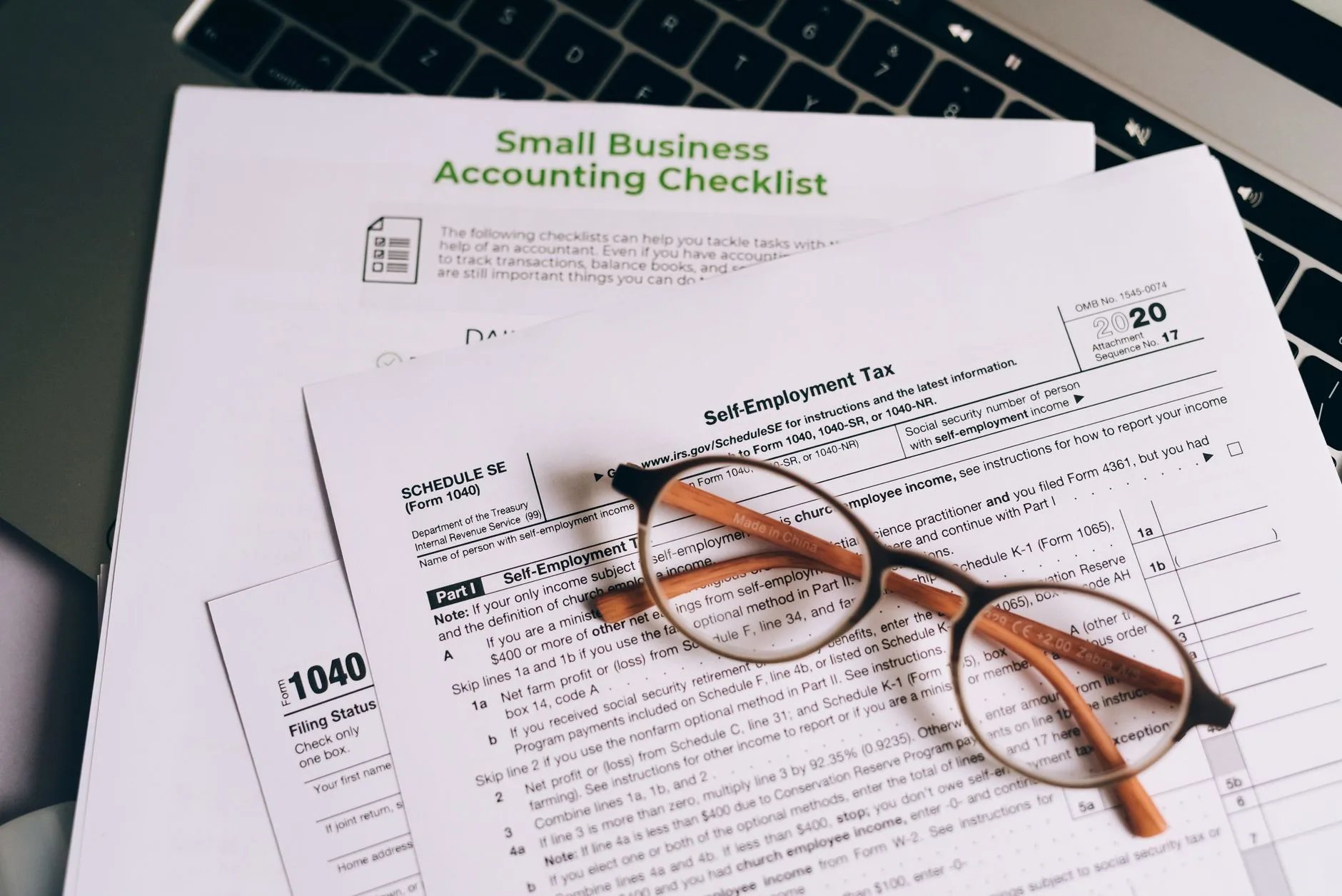
FHA Loan With Self Employment: Income Requirements and How to Qualify
Self-employed borrowers can qualify for an FHA loan, but the approval process usually focuses heavily on how business income is documented and averaged. FHA loans are insured by the Federal Housing Administration and are commonly used by buyers who want a lower down payment or more flexible credit standards than many conventional loans. For self-employed…
Read More
Can You Get a VA Loan With a 600 Credit Score?
A VA loan with a 600 credit score may be possible, but approval is not based on credit score alone. VA loans are government-backed mortgages for eligible veterans, active-duty service members, and some surviving spouses. They are often known for flexible qualification standards, low or no down payment options, and no monthly mortgage insurance. Still,…
Read More
VA Loan With Student Loans: How Student Debt Affects Qualification
Student loans do not automatically prevent a borrower from getting a VA loan. What matters most is how those payments affect mortgage qualification, especially the borrower’s debt-to-income ratio, residual income, credit profile, and overall ability to handle a new housing payment. For many eligible military borrowers, veterans, and certain surviving spouses, a VA loan can…
Read More
Jumbo Loan Limits: How They Work and What Determines a Jumbo Mortgage
Jumbo loan limits can seem confusing because a jumbo loan is defined by going above the conforming loan limit, yet many borrowers still talk about jumbo limits as if there is one official national cap. In practice, a jumbo mortgage is generally any home loan amount that exceeds the conforming loan limit set for Fannie…
Read More
VA Loan With 800 Credit Score: Rates, Requirements, and Approval Factors
A VA loan with an 800 credit score can place a borrower in a very strong position, but the score alone does not guarantee approval or the lowest possible cost. VA loans are government-backed mortgages available to eligible service members, veterans, certain National Guard and Reserve members, and some surviving spouses. They are often known…
Read More
USDA Loan Property Requirements: Eligible Areas, Home Standards, and Occupancy Rules
USDA loan property requirements are a major part of qualifying for this mortgage program. A borrower may meet the income and credit standards, but the home itself also has to fit USDA rules. In general, the property must be located in an eligible rural area, be used as the borrower’s primary residence, and meet basic…
Read More