Category: Credit & Qualification
Understand mortgage qualification requirements, credit score guidelines, debt-to-income ratios, income verification, and factors lenders consider during the approval process.
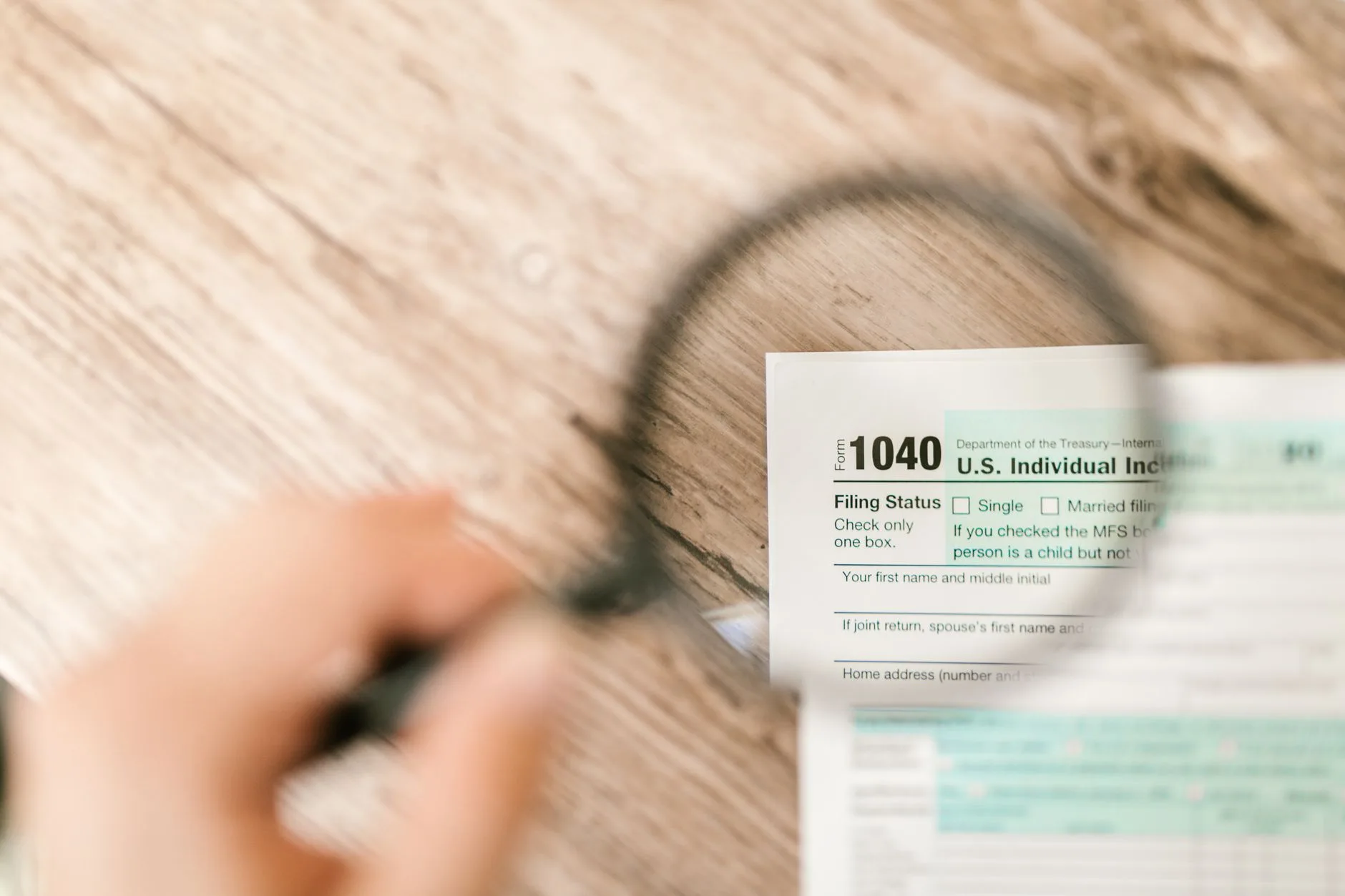
Mortgage for 1099 Employees: How Lenders Qualify Self-Employed Income
A mortgage for 1099 employees is possible, but the approval process usually looks different from a standard salaried W-2 application. Lenders often treat 1099 income as self-employment income or variable contract income, which means they may review your earnings over a longer period and look closely at tax returns, business expenses, debt, credit, and cash…
Read More
Mortgage Down Payment Requirements With a 500 Credit Score
A 500 credit score usually puts a borrower in the very low credit range, and that can directly affect the minimum down payment needed for a mortgage. In many cases, a borrower at this score level is looking at limited loan options, stricter underwriting, and a larger required cash contribution than someone with stronger credit.…
Read More
Mortgage Rates With a 700 Credit Score: What Borrowers Can Expect
A 700 credit score is generally viewed as a strong mortgage credit profile. It often places a borrower above many minimum lending thresholds, which can improve access to better mortgage rates than someone with a lower score. Still, a 700 score does not automatically guarantee the lowest available rate, because lenders also look at down…
Read More
FHA Loan With an 840 Credit Score: Approval Factors and What Lenders Look For
An FHA loan with an 840 credit score is usually a very strong mortgage profile from a credit standpoint. FHA loans are designed to allow borrowers with more modest credit to qualify, so a score that high does not unlock a special FHA program, but it can make the application look lower risk in areas…
Read More
USDA Loan With 40% DTI: Qualification, Guidelines, and Underwriting Factors
A USDA loan with 40% DTI may be possible, but that number sits in a range where the rest of the application starts to matter more. DTI, or debt-to-income ratio, measures how much of your gross monthly income goes toward debt payments. For USDA loans, a 40% total DTI is often close enough to common…
Read More
Best Mortgage Options for Doctors: Physician, Conventional, FHA, and Jumbo Loans
Doctors often qualify for several mortgage paths, but the best mortgage option is not always the same as the lowest advertised rate or the most familiar loan type. Physicians may have strong long-term earning potential while also carrying large student loan balances, limited savings after training, or a recent employment transition. Those details can affect…
Read More
Mortgage Rates With a 670 Credit Score: What Borrowers Can Expect
Mortgage rates with a 670 credit score are often considered middle-range to fairly competitive, especially compared with lower score bands. A 670 score is usually high enough to qualify for several common mortgage programs, but it may not receive the very best pricing available in the market. Lenders generally view this score as acceptable, though…
Read More
Can Gig Workers Qualify for a Mortgage? What Lenders Require
Gig workers can qualify for a mortgage, but the process is often more documentation-heavy than it is for a traditional W-2 employee. Lenders usually want to see that self-employed or contract income is stable, ongoing, and well documented, because gig income can rise and fall from month to month. That matters because mortgage approval is…
Read More
Mortgage Options With a 660 Credit Score: Conventional, FHA, VA, and USDA Loans
A 660 credit score sits in an important middle range for mortgage qualification. It is often high enough to open the door to several home loan programs, but it may not deliver the same pricing, flexibility, or approval strength that a higher score can provide. For many borrowers, a 660 score means the focus shifts…
Read More
Can You Get a Conventional Loan With a 570 Credit Score?
A conventional loan with a 570 credit score is usually difficult to qualify for under standard mortgage guidelines. In most cases, conventional loans backed by Fannie Mae or Freddie Mac require a higher minimum credit score, and many lenders set their own standards above the program minimum. For a borrower with a 570 score, that…
Read More